

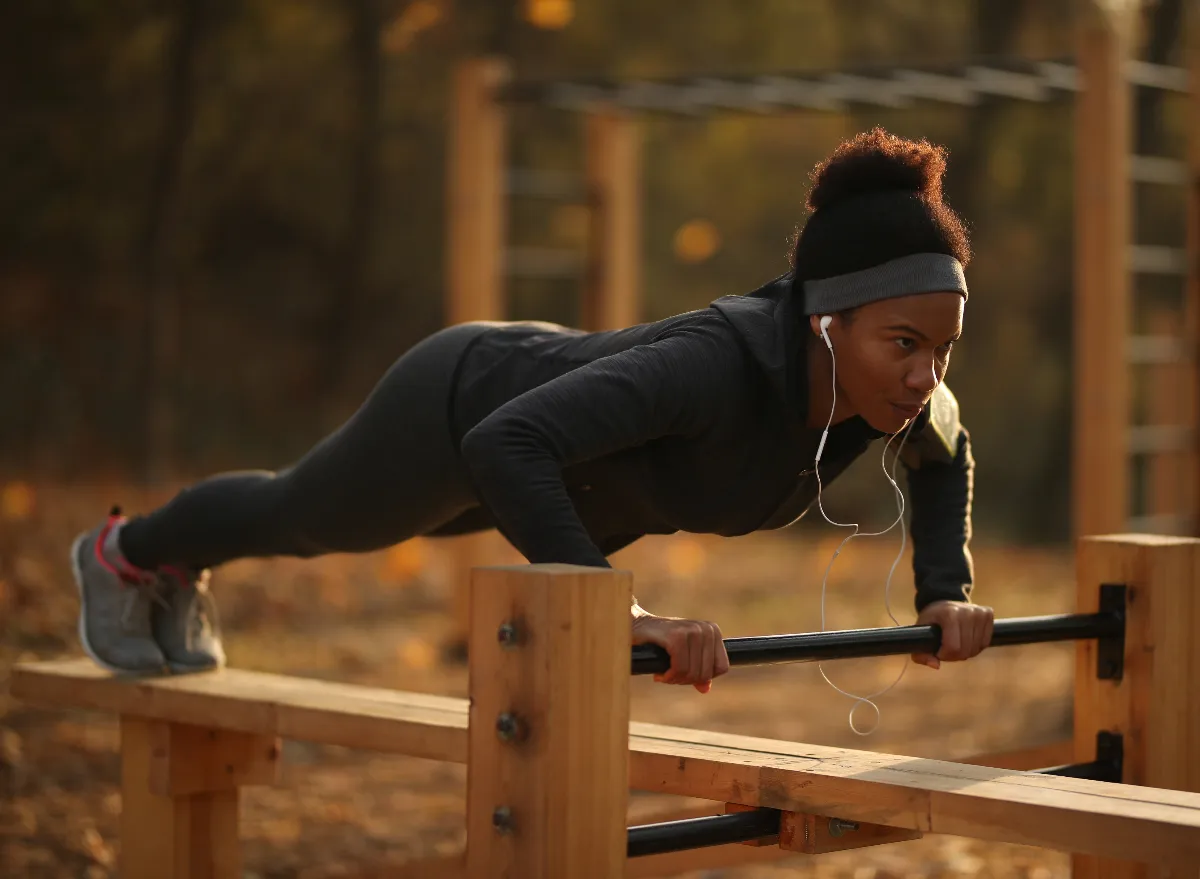
Bodyweight training is often underestimated. Many people believe that without barbells, dumbbells, or machines, true strength gains are impossible. In reality, your body alone is a powerful training tool. When used correctly, bodyweight exercises can build impressive strength, muscle control, and resilience—no gym required.
This guide uncovers practical, science-backed secrets that make bodyweight training highly effective for long-term strength development.
Why Bodyweight Training Works for Strength
Strength is not only about lifting heavy objects; it’s about how efficiently your muscles generate and control force. Bodyweight training excels here because it:
-
Develops functional strength that carries over into daily movement
-
Improves joint stability and coordination
-
Enhances muscle activation through full-range motion
-
Builds strength relative to your own body mass
When you master your body, external weights become optional—not mandatory.
Progressive Overload Without Weights
Progressive overload is the foundation of strength growth. With bodyweight training, overload doesn’t come from heavier plates—it comes from smart progression.
Methods to Increase Difficulty
-
Change leverage (push-ups → decline push-ups → archer push-ups)
-
Increase range of motion (deep squats instead of partials)
-
Slow down tempo (5–10 second negatives)
-
Add pauses at the hardest position
-
Advance to single-limb variations
Small adjustments create large strength gains when applied consistently.
Mastering Key Bodyweight Strength Movements
Rather than doing endless random exercises, focus on mastering movement patterns that build total-body strength.
Upper Body Push
-
Push-ups (standard, decline, pseudo-planche)
-
Pike push-ups for shoulder strength
Upper Body Pull
-
Pull-ups or chin-ups
-
Inverted rows using a table or bar
Lower Body
-
Squats and split squats
-
Single-leg variations for unilateral strength
Core and Stability
-
Planks and side planks
-
Hanging knee raises or leg raises
Mastery of these patterns creates a strong foundation that supports advanced progressions.
Time Under Tension: The Hidden Strength Booster
One of the most overlooked secrets in bodyweight training is time under tension.
Instead of rushing reps:
-
Lower slowly (3–6 seconds)
-
Pause at the bottom
-
Control every inch of movement
This approach increases muscle recruitment and stimulates strength adaptations—even without added resistance.
Frequency Beats Exhaustion
You don’t need to train to failure every session. Strength improves faster with moderate volume performed consistently.
Smart Frequency Guidelines
-
Train 3–5 days per week
-
Stop 1–2 reps before failure most of the time
-
Focus on perfect technique, not burnout
Consistency builds neural efficiency, which is a major driver of strength.
Leveraging Isometrics for Strength Gains
Isometric holds are incredibly powerful for building strength at specific joint angles.
Examples include:
-
Wall sits for leg endurance and strength
-
Plank holds for core stability
-
Top-position push-up holds for pressing strength
Holding tension trains the nervous system to maintain force—an essential skill for advanced strength work.
Rest, Recovery, and Mobility Matter
Bodyweight training still stresses muscles, joints, and tendons. Recovery determines whether strength improves or stalls.
-
Sleep supports muscle repair and nervous system recovery
-
Mobility work maintains joint health
-
Active recovery improves blood flow without fatigue
Ignoring recovery limits progress, regardless of how effective your exercises are.
Mind-Muscle Connection in Bodyweight Training
Because bodyweight exercises demand balance and control, they naturally improve mind-muscle connection.
Focus on:
-
Actively engaging the target muscles
-
Maintaining tension throughout the movement
-
Avoiding momentum or sloppy reps
Intentional movement turns simple exercises into serious strength builders.
Common Mistakes to Avoid
-
Rushing reps to “feel tired”
-
Skipping progressions and staying too comfortable
-
Training randomly without a structure
-
Neglecting pulling and posterior-chain work
-
Ignoring recovery and mobility
Avoiding these pitfalls accelerates results dramatically.
Frequently Asked Questions (FAQ)
1. Can bodyweight training build muscle as well as weights?
Yes. With proper progression, intensity, and nutrition, bodyweight training can stimulate muscle growth effectively.
2. How long does it take to see strength gains?
Most people notice measurable strength improvements within 3–6 weeks of consistent training.
3. Is bodyweight training suitable for beginners?
Absolutely. Exercises can be easily scaled to match any fitness level, making it ideal for beginners.
4. Can advanced athletes rely only on bodyweight training?
Yes. Advanced variations like single-arm or explosive movements provide high-level strength challenges.
5. How many reps should I aim for in bodyweight exercises?
For strength, aim for 5–8 challenging reps per set or longer time-under-tension holds.
6. Do I need to train every day?
No. Training 3–5 days per week with quality recovery is more effective than daily fatigue.
7. Is bodyweight training safe for joints?
When performed with proper form and gradual progression, bodyweight training is joint-friendly and often safer than heavy lifting.