

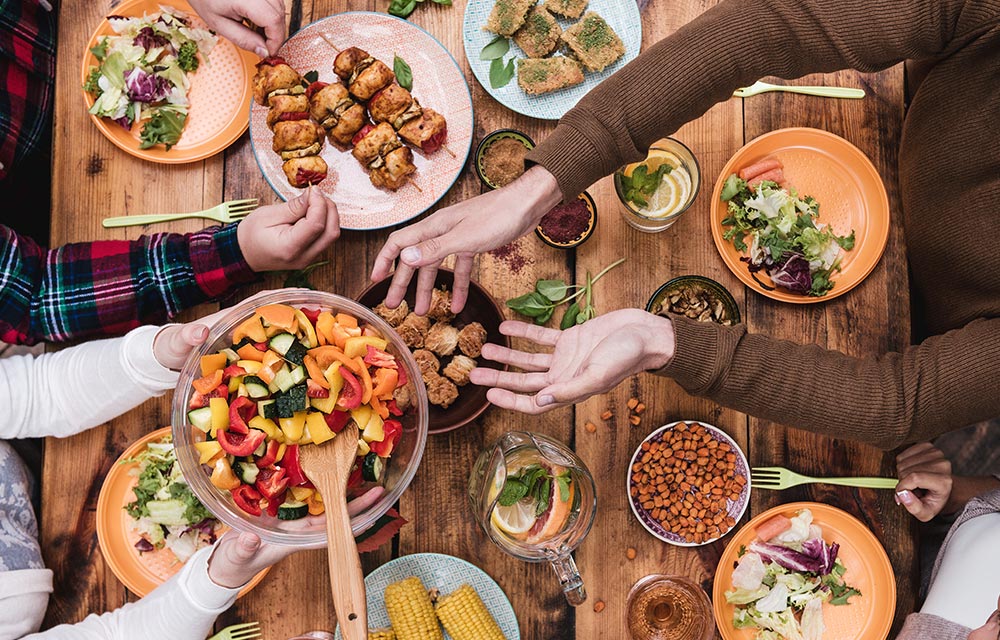
Helping children develop a positive relationship with food doesn’t require pressure, bribes, or nightly negotiations. In fact, the more relaxed and supportive the environment, the more likely kids are to grow into confident, healthy eaters. The goal is not perfection, but consistency, trust, and exposure over time.
Why Food Battles Backfire
Power struggles around food often create stress that lingers far beyond the dinner table. When children feel forced or controlled, they may resist even more strongly.
Common consequences of food battles include:
-
Increased picky eating due to anxiety or defiance
-
Loss of internal hunger cues, as kids stop listening to their bodies
-
Negative emotional associations with meals and family time
A calmer, more respectful approach supports both physical health and emotional well-being.
Shift the Responsibility the Healthy Way
One of the most effective strategies is to clearly define roles at mealtimes.
-
Parents decide what foods are offered and when meals happen
-
Children decide whether to eat and how much
This approach builds autonomy while still ensuring nutritious options are available. Trusting children to regulate their intake helps them develop lifelong self-awareness around food.
Make Healthy Foods Feel Normal, Not Special
When vegetables are treated like medicine and desserts like prizes, kids quickly learn which foods hold power. Instead, aim for balance.
Practical ways to normalize healthy eating:
-
Serve vegetables regularly without commentary
-
Include a familiar food at each meal
-
Avoid labeling foods as “good” or “bad”
Over time, repeated exposure reduces fear and increases acceptance.
Involve Children in the Process
Children are far more likely to try foods they helped choose or prepare. Participation builds curiosity and confidence.
Age-appropriate involvement ideas:
-
Let younger kids rinse fruits and vegetables
-
Allow older children to help with chopping or stirring
-
Invite kids to pick one vegetable for the week
These small moments create ownership without pressure.
Create a Predictable Meal Routine
A consistent structure helps children feel secure and reduces grazing on snacks throughout the day.
Helpful routine tips:
-
Serve meals and snacks at regular times
-
Offer water between meals instead of constant snacking
-
Sit together at the table whenever possible
When kids know another meal is coming, they feel less anxious and more open to eating what’s offered.
Model the Habits You Want to See
Children learn more from what they observe than what they’re told. Your relationship with food sets a powerful example.
Focus on:
-
Eating a variety of foods yourself
-
Speaking positively about meals and your body
-
Trying new foods with curiosity rather than judgment
Even small shifts in your own habits can influence your child more than any lecture.
Respect Appetite Changes
Children’s hunger naturally fluctuates due to growth spurts, activity levels, and emotions. A child who eats very little one day may eat much more the next.
Support healthy appetite regulation by:
-
Avoiding pressure to “clean the plate”
-
Letting kids stop eating when full
-
Trusting their internal signals
This respect helps prevent overeating and builds lifelong self-regulation.
Be Patient With Progress
Healthy eating habits are built over years, not days. A child may need to see a new food many times before tasting it, and even more times before liking it.
What matters most:
-
Consistency over perfection
-
Calm repetition without force
-
A positive emotional atmosphere
Patience is not passive; it’s strategic and effective.
FAQ: Building Healthy Eating Habits in Children
1. How long does it take for a child to accept a new food?
It can take 10–15 exposures or more before a child feels comfortable tasting a new food. This is normal and not a sign of failure.
2. Should I offer dessert if my child doesn’t eat dinner?
It’s best to serve dessert occasionally without tying it to how much dinner is eaten. Using dessert as a reward can increase food power struggles.
3. What if my child only eats carbohydrates?
This phase is common. Continue offering balanced meals without pressure, and trust that variety will increase over time.
4. Is it okay to hide vegetables in meals?
Occasionally blending vegetables into foods can help with nutrition, but it shouldn’t replace offering vegetables in visible, familiar forms.
5. How do I handle eating out or special occasions?
Relaxed rules during special events are healthy. One meal or day won’t undo long-term habits built at home.
6. Should snacks be limited?
Snacks are important, but they should be structured and nourishing rather than constant and random.
7. What if my child refuses everything on the plate?
Stay calm, avoid making an alternative meal, and trust that hunger will guide them by the next scheduled eating time.