

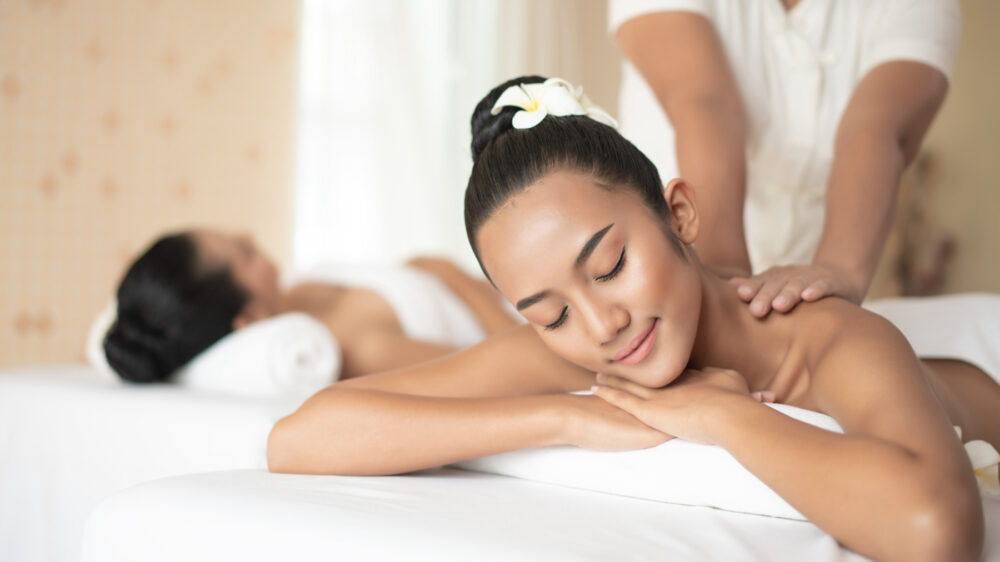
Not every massage is designed around lying still while the therapist uses long, flowing movements. Traditional Thai massage in Chiang Mai can involve pressure, assisted stretching and movement, making it useful to understand the experience before booking your first session.
The Treatment Can Feel Surprisingly Physical
People familiar mainly with oil massage can be surprised by how interactive Thai massage feels. The therapist may use hands, thumbs, forearms or other techniques while guiding the body through stretches and different positions.
This means the treatment can feel closer to assisted mobility work in places than to a conventional relaxation massage. For travellers who have become stiff through flights, long drives or repeated days of walking, that can be part of the appeal.
However, every treatment should still work within the individual’s comfort. A stretch should feel controlled, and pressure should not force someone to tolerate pain simply because they believe that is how the treatment is supposed to feel.
Understanding this in advance helps first-time visitors approach the experience with more realistic expectations.
Clothing And Preparation Are Different
Traditional Thai massage is commonly performed without the same use of massage oil associated with many other treatments, and loose clothing may be worn or provided. This allows the therapist to move the arms and legs more freely during stretches.
It is sensible not to eat a very heavy meal immediately beforehand. Because the body may be moved into different positions, arriving comfortably rather than feeling overly full can make the session more pleasant.
Hydration is worth thinking about too, particularly after spending the day outdoors in warm weather. Arriving tired and dehydrated may make any physical treatment feel harder than it needs to.
If there are existing injuries, mobility issues or areas of pain, these should be explained before the session begins.
Feedback Is Part Of A Good Session
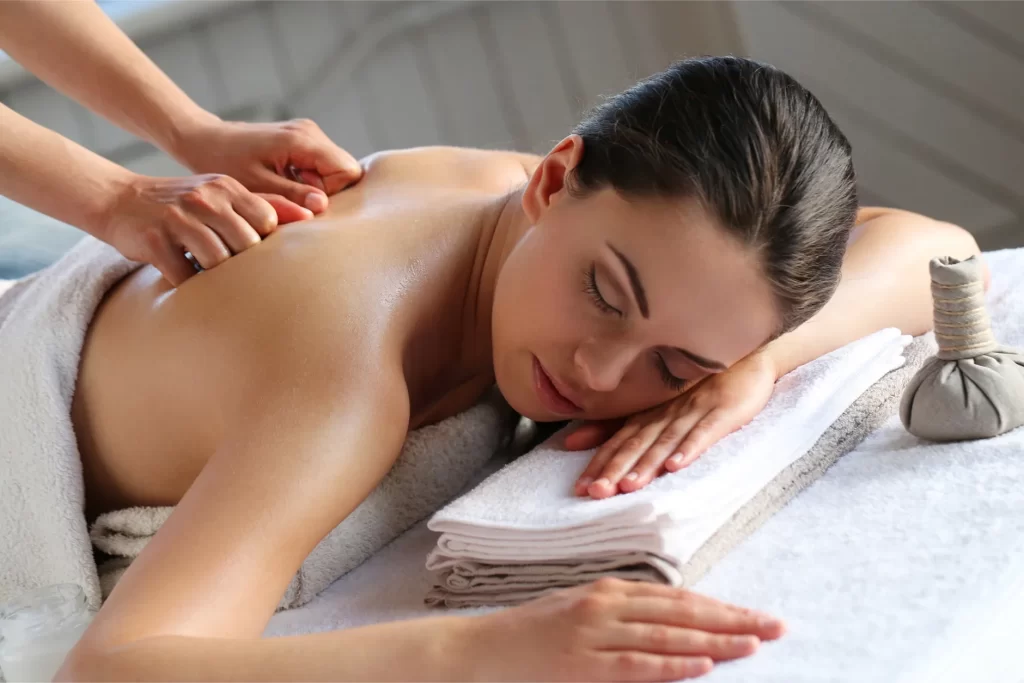
There is no prize for accepting pressure that feels excessive. People differ greatly in flexibility, sensitivity and experience with massage, so the therapist cannot know exactly what feels right without feedback.
A simple request for lighter pressure or less stretching is enough. Likewise, if one part of the body feels particularly tired, mentioning it at the beginning can help shape the treatment.
This becomes particularly important for travellers who may already be sore after hiking, training or unusually high levels of walking. A session should support recovery rather than become another physical challenge.
The aim should be a productive level of intensity that leaves the body feeling freer, not battered.
Plan A Quieter Period Afterwards
People can respond differently after a more active treatment. Some feel energised, while others feel relaxed and ready for a slower evening. Keeping the schedule flexible afterwards allows you to respond to how the body actually feels.
Drinking water and avoiding an immediate rush back into strenuous activity can also make the experience more comfortable.
Thai massage can be a memorable part of travelling when it is approached with the right expectations. Understanding the active nature of the treatment, communicating clearly and choosing sensible timing helps turn it from an unfamiliar experience into a genuinely useful part of recovery during a busy trip.