

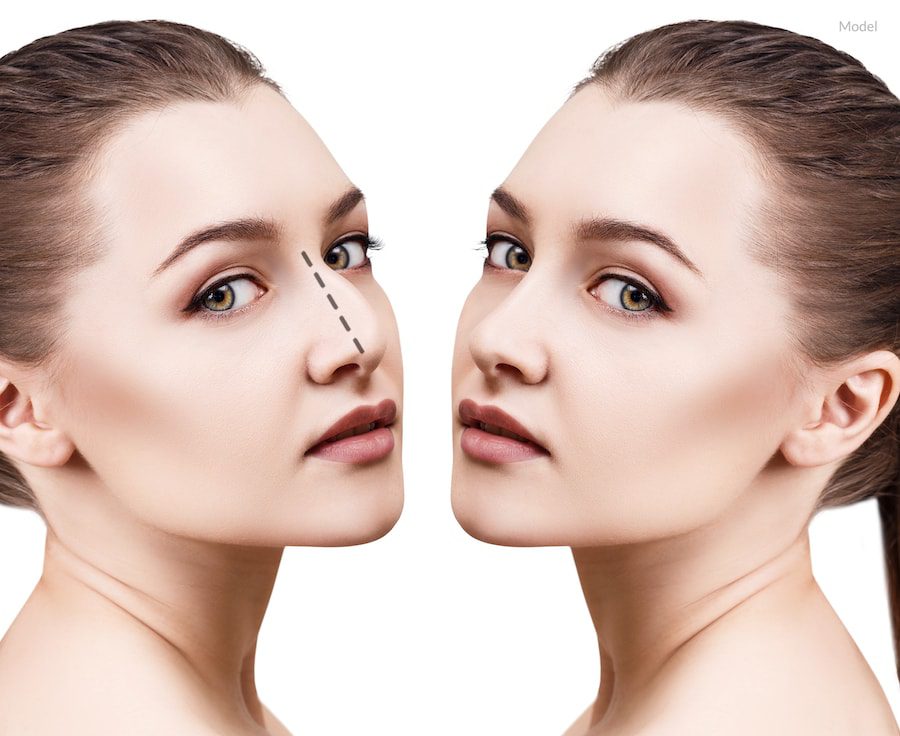
Rhinoplasty can alter several aspects of the nose, including profile, width, tip shape and proportion, but the best result is not necessarily the smallest or most dramatic change. Someone considering nose surgery in Bangkok should expect the surgeon to assess the nose in relation to the rest of the face as well as considering breathing and internal nasal structure.
Start With The Specific Concern
Patients may describe wanting a “better” nose, but that can refer to very different features. One person may dislike a prominent bridge, while another is concerned about tip shape, nostril width or asymmetry.
The consultation should identify which characteristics matter most and whether they can realistically be changed. A surgeon may also point out features the patient had not initially considered, such as the relationship between the nose and chin.
Photographs taken from different angles can help with planning because the nose may look balanced from the front while the profile tells a different story.
Digital simulations can sometimes support discussion, but they should not be treated as a guarantee of the exact surgical outcome.
Breathing Should Not Be Overlooked
The nose is both an aesthetic feature and part of the respiratory system. If a patient has difficulty breathing through the nose, this should be discussed before surgery.
Internal issues such as septal deviation or structural narrowing may need to be assessed alongside cosmetic changes. In some cases, functional and aesthetic surgery can be planned together.
This is particularly important where reducing or reshaping structures could potentially affect airflow. The surgical plan should preserve or improve function rather than focusing only on external appearance.
Patients with previous nasal surgery, injury or long-standing breathing problems should make sure the surgeon is aware of that history.
Healing Takes Longer Than Many People Expect

Initial bruising and swelling can improve relatively quickly, but the nose may continue changing for much longer. Swelling around the tip can take months to settle fully, which is why early photographs do not necessarily represent the final result.
Patients may need to wear a splint for part of the early recovery, and strenuous exercise or activities that risk impact to the nose may need to be avoided temporarily.
Small asymmetries or irregularities can appear more noticeable while swelling is uneven. Patience is important before deciding whether something represents a true problem or simply part of normal healing.
The surgeon should explain the expected recovery timeline before the operation so patients know when different milestones are likely to occur.
Revision Surgery Is More Complex
Most patients hope to have rhinoplasty only once, but revision surgery may sometimes be needed because of healing, functional issues or dissatisfaction with the result.
Secondary surgery can be more complicated because tissue and cartilage have already been altered. This makes careful planning of the first procedure especially important.
Patients should be realistic about the limits of surgery. A nose can be reshaped, but it cannot always be made perfectly symmetrical or matched exactly to a photograph.
The strongest result is usually one that suits the face, supports normal breathing and remains stable as healing progresses. Good rhinoplasty is therefore less about creating a fashionable nose and more about making carefully judged changes that fit the individual.