

Yoga can complement running and strength training, but the result depends on where each class is placed. A demanding session at the wrong point in the week can add fatigue instead of supporting movement quality or recovery.
When scheduling yoga classes around heavy leg training and long runs, practitioners should consider the physical demand of each format. A slow class is not automatically easy, and an active flow is not always suitable before an important training session.
Identify the Priority Sessions First
A weekly plan becomes easier when the most important workouts are placed before optional sessions. For a runner, this may be the long run and one faster session. A strength trainee may prioritise a heavy squat or deadlift day.
Yoga can then be added according to purpose. One class might develop active mobility, while another provides lower-intensity movement after the hardest training day.
Trying to give every session equal priority usually creates scheduling conflicts. The week should reflect the practitioner’s main goal.
Understand the Demand of Heavy Leg Training
Heavy lower-body training creates more than muscular soreness. Squats, deadlifts, lunges and loaded step variations can challenge balance, trunk control and coordination.
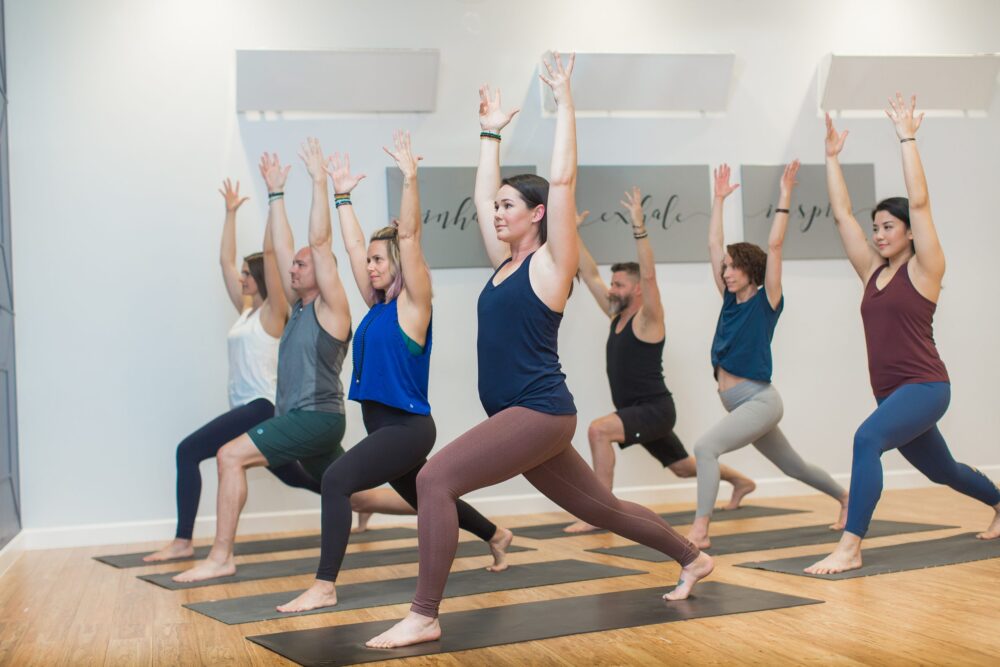
A yoga class with long standing sequences may repeat much of this demand. Deep lunges, single-leg balances and prolonged holds can feel much harder when the legs are already fatigued.
This does not make yoga unsuitable after strength training. It means the next class should be selected carefully rather than treated automatically as recovery.
Do Not Place Aggressive Mobility Before Heavy Lifting
A short dynamic warm-up can support a strength session, but a long class focused on deep passive stretching may not be the best preparation immediately before heavy lifting.
The lifter may feel temporarily loose without having enough active control in the new range. Fatigue from long holds can also affect stability.
A technical or mobility session can be placed on another day, allowing the practitioner to explore range without needing to produce high force shortly afterwards.
Long Runs Create Different Fatigue
A long run involves repeated impact and prolonged work through the feet, calves, knees and hips. The runner may feel tight, but that sensation does not always mean more stretching is required.
A demanding standing yoga class immediately after the run can add substantial lower-body load. A gentler session with controlled movement and supported positions may be more suitable.
The objective is to restore movement variety without turning the recovery period into another endurance challenge.
Consider Delayed Fatigue
The legs may feel manageable immediately after training and become noticeably heavier the following day. This delayed response should be considered when booking yoga.
A practitioner who schedules a challenging class based only on how they feel directly after a workout may underestimate the recovery requirement.
Leaving an alternative restorative session available makes the plan easier to adjust. Flexibility in scheduling is more useful than following the original timetable regardless of fatigue.
Active Mobility Can Fit Between Hard Sessions
Active mobility uses muscular effort to control movement through a range. This can be valuable between strength and running sessions when the demand remains moderate.
Slow transitions, balance tasks and controlled joint movement may help maintain coordination. The session should not become a maximum-effort flexibility test.
Practitioners should finish feeling capable of completing the next scheduled workout. If the class creates substantial soreness, its placement may need reconsideration.
Use Restorative Classes Deliberately
Restorative yoga can reduce overall training demand while preserving the habit of attending class. It may fit well after a long run, heavy leg session or demanding competition.
The class should remain genuinely restorative. Turning every supported position into an intense stretch removes much of its purpose.
Lower intensity is not wasted time. It can help practitioners remain consistent during weeks when the main training programme is already challenging.
Be Careful with Heated Yoga
Heated classes add thermal stress and increase sweating. They may create a greater recovery demand than the sequence alone suggests.
Placing hot yoga before a long outdoor run can complicate hydration. Scheduling it after heavy leg training may also make standing postures feel unusually demanding.
Practitioners who enjoy heated classes should place them where they have time to restore fluids, eat normally and sleep before the next important workout.
Avoid Stacking Similar Demands
A long run, leg day and active yoga class may all challenge the lower body in different ways. Placing them on three consecutive days can create a continuous block of fatigue.
The weekly plan should alternate stress where possible. An upper-body training day, rest day or lower-intensity yoga session can separate demanding lower-body work.
The total pattern matters more than whether one individual class appears moderate.
Monitor Movement Quality
Soreness alone does not provide a complete picture of recovery. Practitioners should also observe balance, coordination, breathing and willingness to move.
If familiar positions require unusual effort or control declines, reducing the range or selecting an easier variation is appropriate.
The class can still be productive without completing every demanding option. Adjustment is part of training, not evidence of failure.
A Practical Weekly Example
A runner who also strength trains might place heavy leg work early in the week, followed by an upper-body session or gentle yoga. A moderate active class could occur before an easier run.
The long run may be followed by restorative yoga or complete rest. Heated or specialised classes can be placed when the legs are relatively fresh.
This is an example rather than a fixed formula. Work, sleep and running volume will change the ideal sequence.
Let the Timetable Support the Main Goal
The active, technical and restorative formats available through Yoga Edition allow practitioners to adjust yoga according to the rest of their training. The same class does not need to occupy the same role every week.
Effective sequencing protects the sessions that matter most while allowing yoga to contribute movement variety, control and recovery. By considering total demand instead of class names, hybrid trainers can build a week that remains challenging without becoming unnecessarily exhausting.